
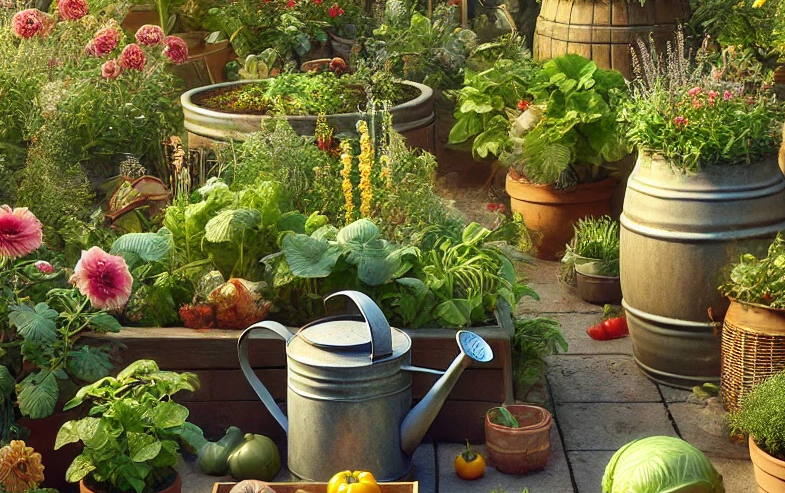
Retro Gardening: Old-School Methods That Still Work Today
I’ve always enjoyed gardening, but lately I’ve found myself leaning more towards the old-school way of doing things. Not because modern methods don’t work, but because a lot of the older ones just make more sense. They’re simple, they’re effective, and they don’t rely on throwing loads of products at a problem. There’s something satisfying about doing it properly and seeing results without overcomplicating it.
It really clicked after picking up an old gardening book from a second-hand shop. Nothing fancy, just pages of practical advice that people used to rely on before everything became packaged and branded. I started trying a few of the ideas out, and honestly, most of them just worked. No gimmicks, no guesswork, just solid methods that have been around for years.
Why Retro Gardening Still Holds Up
A lot of older gardening techniques were built around observation rather than quick fixes. Instead of reacting to problems after they appeared, gardeners focused on preventing them in the first place. That’s something that feels a bit lost now, where it’s easy to reach for a spray or a fertiliser without really thinking about the bigger picture.
One of the best examples is companion planting. It’s been used for generations, and for good reason. Certain plants naturally support each other. I’ve started growing tomatoes alongside basil, and it’s one of those combinations that just makes sense. Fewer pests, healthier plants, and as a bonus, it smells great when you’re working around them. It’s a simple approach, but it works consistently without needing anything artificial.
It’s the same kind of thinking you see in older guides and tips and tricks that were passed down through experience rather than theory. A lot of that knowledge still applies, it’s just been overshadowed by newer methods.
Keeping Things Simple and Sustainable
One thing that stands out with retro gardening is how naturally sustainable it is. Before synthetic fertilisers and automated systems, people had to work with what they had. That meant making the most of natural resources and reusing as much as possible.
Rainwater collection is a perfect example. It’s nothing complicated, just a barrel catching runoff from a roof, but it makes a noticeable difference. Plants seem to respond better to it, and it cuts down on how much you’re relying on the tap. It’s one of those small changes that quickly becomes part of your routine.
Composting is another one that just makes sense once you get into it. Kitchen scraps, grass cuttings, garden waste, it all breaks down into something genuinely useful. Instead of throwing it away, you’re feeding it back into the soil. It takes a bit of patience, but the end result is better than most shop-bought compost anyway.
Heirloom Plants and Why They’re Worth Growing
One of the more interesting parts of going down this route has been discovering heirloom plants. These aren’t your standard supermarket varieties. They’ve been passed down over time because they actually offer something worth keeping, whether that’s flavour, resilience, or just something a bit different.
Growing them feels more rewarding as well. You’re not just planting something for a quick harvest, you’re continuing a line that’s been around for years. And because they’re open-pollinated, you can save seeds and grow them again the following season. It gives you a bit more control and independence compared to buying new plants every year.
Things like unusual tomatoes or older carrot varieties add a bit of character to the garden too. They don’t all look uniform, but that’s part of the appeal. They feel more natural, and often taste better as well.
Why Going Backwards Sometimes Works Better
What I’ve realised is that retro gardening isn’t about rejecting modern methods completely. It’s more about stripping things back and focusing on what actually works. A lot of older techniques are still relevant because they’re based on how plants naturally grow, not how quickly you can push them.
There’s also something to be said for slowing things down a bit. Instead of constantly trying to optimise everything, you pay more attention to what’s happening in the garden. You notice changes, you adjust naturally, and over time you get better results without relying on quick fixes.
Final Thoughts
Retro gardening has definitely changed how I approach things. It’s made the whole process feel more straightforward and, if anything, more enjoyable. You’re not chasing perfection, you’re just working with what you’ve got and improving it over time.
If you’ve only ever used modern methods, it’s worth trying a few of these older approaches. You don’t need to go all in, just pick one or two and see how they work for you. Chances are, you’ll find they hold up just as well now as they did years ago.