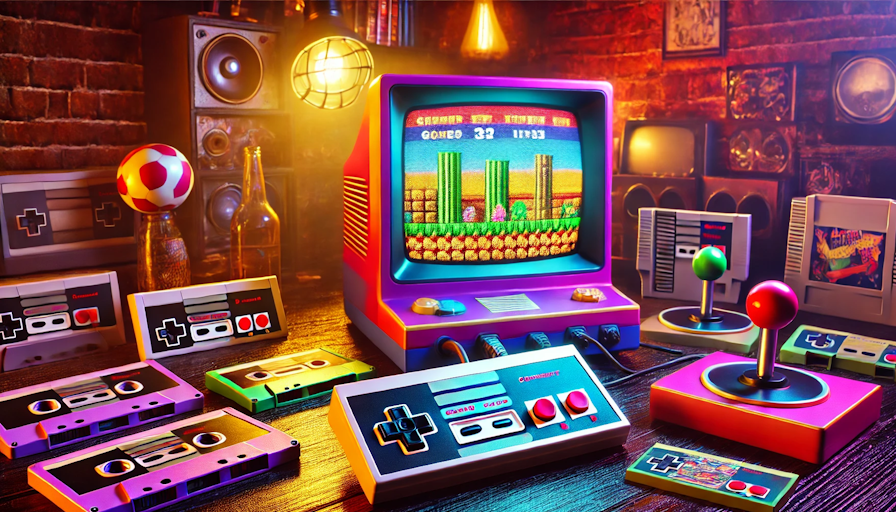
Retro gaming isn’t just about the nostalgia of pixelated screens and catchy 8-bit soundtracks—it’s also a surprising workout for your brain. From Tetris to Super Mario Bros., these timeless games challenge players to think on their feet, solve problems, and master multitasking, all while having a blast. But how exactly does classic play boost mental agility, and why should you dust off that old console? Let’s dive in!
The Cognitive Power of Retro Gaming
Retro games may look simple compared to modern blockbusters, but they pack a cognitive punch. Many of these games demand quick thinking, strategic planning, and fast reflexes. Take Pac-Man, for example: players need to memorise maze layouts, avoid ghosts, and gobble up pellets all at once. It’s like a mental obstacle course!
Classic RPG titles like The Legend of Zelda add another layer of complexity with puzzles that push critical thinking and problem-solving skills. Research has even shown that engaging in such activities can improve cognitive flexibility and enhance brain function over time.
Memory and Attention: The Retro Gaming Advantage
Playing retro games can sharpen memory and attention span. These games often require players to focus intensely for extended periods and remember critical information. Think of navigating a Space Invaders battlefield or keeping track of ghost movements in Pac-Man. It’s not just fun—it’s a brain boost.
According to a study published by the National Institutes of Health, tasks that demand sustained attention—like gaming—can significantly improve memory retention and focus. Retro gaming isn’t just play; it’s a mental gym session.
Boosting Decision-Making with Retro Play
Retro games don’t leave much room for hesitation. Whether it’s timing a jump in Super Mario Bros. or dodging enemy fire in Galaga, quick and accurate decision-making is essential. These split-second choices train the brain to react faster and more effectively in real-life scenarios.
Action-oriented games, in particular, have been linked to improved cognitive flexibility—a fancy term for adapting quickly to changing situations. That’s right: all those hours spent chasing high scores were secretly turning you into a decision-making ninja!
Problem-Solving with a Pixelated Twist
Who needs a boring puzzle book when you’ve got retro games? Titles like The Legend of Zelda and Metroid challenge players with intricate puzzles and creative problem-solving tasks. Whether it’s figuring out the right sequence to open a door or navigating a tricky dungeon, these games encourage lateral thinking and patience.
A study by Frontiers in Psychology highlighted how gaming can enhance problem-solving skills by promoting perseverance and adaptability. Retro games teach players to think outside the box, and sometimes even rewire it!
Hand-Eye Coordination: Old Games, Timeless Skills
Let’s not forget the physical benefits. Retro gaming is a fantastic way to boost hand-eye coordination. Games like Space Invaders and Donkey Kong demand precise movements and impeccable timing. These reflex-based challenges are just as beneficial today as they were decades ago.
Research shows that video games improve coordination by synchronising visual input with motor responses. So, those frantic button presses? They were actually sharpening your motor skills all along.
Multitasking Made Fun
Classic games like SimCity are masters of multitasking. Building a thriving virtual city while managing resources and responding to crises requires players to juggle multiple objectives. It’s chaotic, sure, but it’s also fantastic training for prioritisation and task-switching.

Regular exposure to such multitasking scenarios in gaming can translate to better organisational skills in everyday life. Who knew managing a city’s traffic flow could help you plan your weekly grocery run?
Stress Relief and Retro Escapism
There’s something uniquely calming about retro games. Maybe it’s the simplicity, the cheerful tunes, or the nostalgia, but they’re undeniably effective stress busters. Immersing yourself in a world of brightly coloured pixels can help take the edge off a tough day.
Studies suggest that gaming, even for short periods, can reduce cortisol levels (the stress hormone) and promote relaxation. So, whether it’s a few laps in Super Mario Kart or a quick session of Tetris, retro gaming can be your go-to for unwinding.
Why Retro Gaming Deserves a Place in Your Routine
Retro gaming isn’t just a trip down memory lane—it’s a practical way to boost mental agility, enhance cognitive skills, and improve overall well-being. From memory and decision-making to problem-solving and stress relief, these games offer benefits that go far beyond entertainment.
So, dig out that old console, load up your favourite emulator, or even pick up a retro-inspired modern game. The classic fun and timeless mental benefits await!